Burlington Locksmiths Service Team
Local locksmith team
Oct 10, 2026 10 min read
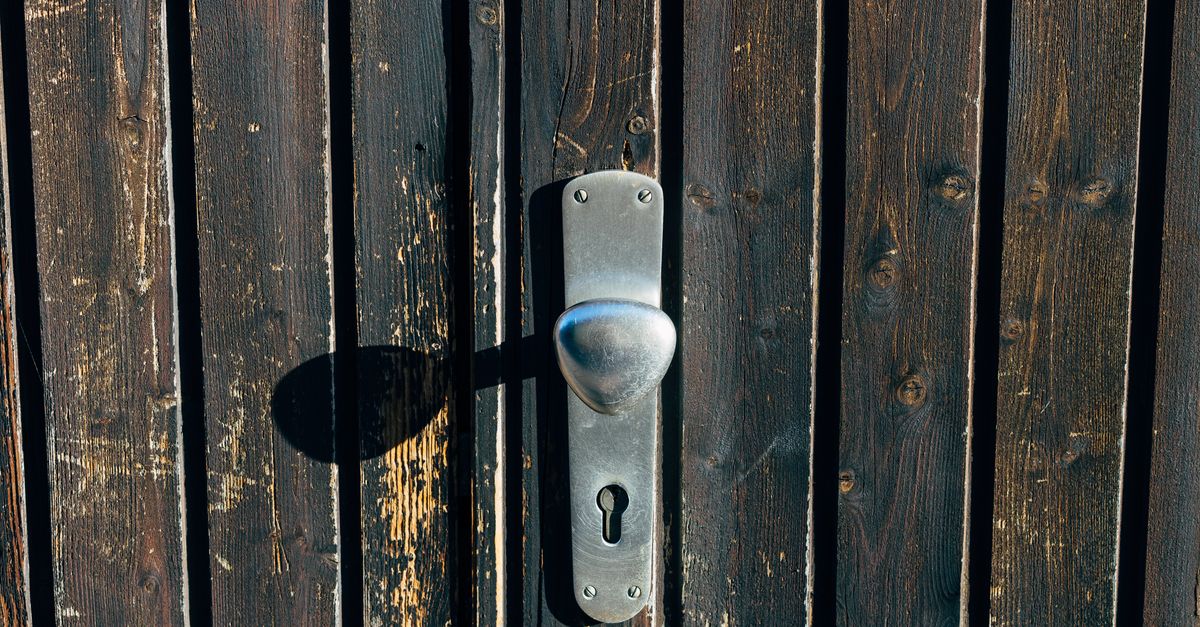
If you live in Burlington — whether you're in a detached home off New Street, a townhouse near Aldershot, or a condo steps from the waterfront — you've probably wondered at some point whether your front door is actually secure. A knob lock alone can be defeated quickly. A deadbolt changes that equation significantly, and yet a lot of homeowners either skip the upgrade or install the wrong grade for their situation. This guide cuts through the confusion so you can make a smart, informed decision.
We'll walk you through when a deadbolt is genuinely necessary, how to choose the right grade, what a professional installation looks like, and what to do if you're locked out or need to change things up after a move. Whether you're dealing with a single-cylinder deadbolt on a wooden door or a mortise lock on an older brick home, the answers are simpler than most people expect.
## Does Your Door Actually Need a Deadbolt — or Is a Knob Lock Enough?
The short answer: a door knob lock on its own is rarely sufficient as your primary exterior security. Knob locks have a spring-loaded latch bolt that can often be manipulated with a credit card or similar tool in seconds. A deadbolt, by contrast, throws a solid hardened steel bolt deep into the door frame — typically 25 mm (one inch) or more — making forced entry dramatically harder. If your front, side, or back door relies solely on a door knob lock, upgrading to a deadbolt is one of the highest-value security improvements you can make for the cost involved.
That said, not every door needs the same solution. Interior doors, closet doors, and many garage entry doors that already sit behind a secured garage have different requirements. Where a deadbolt genuinely earns its place is on any exterior door that serves as a primary or secondary entry point to your home — and especially on doors with sidelights or glass panels near the lock, where visibility and glass-break risk make the bolt's throw length and reinforced strike plate even more important.
## Deadbolt Grades Explained: Picking the Right Lock for a Burlington Home
Deadbolts sold in Canada are generally rated under ANSI/BHMA grading: Grade 1 is commercial-strength, Grade 2 is heavy-duty residential, and Grade 3 is basic residential. For most Burlington homes, a Grade 1 or Grade 2 deadbolt from a reputable manufacturer — Schlage and Kwikset both make solid options widely available here — is the right starting point. Grade 1 locks are tested for significantly more open-and-close cycles and greater forced-entry resistance, and the price difference over Grade 3 is modest enough that stepping up makes sense.
Beyond grading, pay attention to the bolt itself: look for a hardened steel insert that resists cutting, and pair any deadbolt with a reinforced strike plate secured with 3-inch screws that bite into the stud, not just the door frame. A high-grade deadbolt installed with a flimsy strike plate is only as strong as that weakest point. If your home has a heavier wooden or steel door — common in many of Burlington's older neighbourhoods along Plains Road and Guelph Line — you may also want to consider whether a mortise lock is a better fit than a standard rim-style deadbolt. A mortise lock is recessed into the door body itself, distributing force more evenly and offering combined latch and bolt functionality in a single, robust unit. Our team installs and services mortise locks regularly across Burlington and can assess which solution suits your specific door construction.
## How to Change a Deadbolt Lock: What the Process Actually Involves
Understanding how to change a deadbolt lock on a door helps you have a more informed conversation with your locksmith — and helps you spot whether a DIY attempt is realistic for your situation. On a standard pre-bored residential door, the basic steps are: remove the interior and exterior escutcheon plates by backing out the two mounting screws, pull the cylinder and thumb-turn assembly free, disconnect the bolt mechanism from the edge of the door, and reverse the process with the new hardware. If the existing bore holes match the new lock's dimensions, the swap is straightforward. If they don't — as is common when upgrading from a basic knob-only door to a deadbolt, or switching lock brands — the door may need additional boring, which requires the right tools and a careful hand to avoid splitting the door.
A professional installation goes further than just fitting the hardware. A skilled locksmith checks door alignment, ensures the bolt throws cleanly into the strike plate without binding, tests the key cylinder for smooth operation, and confirms the door closes squarely so the deadbolt doesn't place stress on the frame over time. If you've recently moved into a home anywhere in the Burlington area and want to know how to change a deadbolt lock as part of a post-move security reset, calling a professional saves time and ensures the work is done right the first time. You can also ask about rekeying existing hardware rather than replacing it entirely — more on that below. If you'd like to talk through your options before committing to anything, call us at (289) 670-9821 — we're available around the clock and happy to answer questions at no obligation.
## Rekeying vs. Replacing: When Each Option Makes More Sense
If your deadbolt hardware is in good condition but you're concerned about who has copies of the current key — previous owners, old tenants, contractors, or ex-partners — rekeying is often the smarter and more economical choice. Knowing how to rekey a deadbolt lock demystifies the process: rekeying involves removing the lock cylinder, swapping the internal pin stack to match a new key cut, and reinstalling everything. The lock body itself stays in place; only the key that operates it changes. This is a standard service our team performs across Burlington residential and commercial properties.
Replacement, on the other hand, makes more sense when the lock itself is worn, damaged, keyed to a system you want to consolidate, or when you're upgrading to a higher security grade or a smart lock platform. It's also worth considering if you're dealing with an older mortise lock that hasn't been serviced in years — sometimes the internals are worn enough that rekeying alone won't give you the reliability you need. A qualified locksmith can assess the existing hardware on the spot and give you a clear recommendation. The factors that shape the final quote include the type of lock involved, whether parts need to be sourced, the time of day, and travel distance to your location — and we always confirm an exact price before any work begins.
## What Happens When You're Locked Out — and When to Call an Emergency Locksmith
Getting locked out with a deadbolt engaged is a different situation than being locked out of a simple spring latch. Because a deadbolt is specifically designed to resist manipulation, a locked-out homeowner trying to get back in without a key has very limited safe and legitimate options. Start with the basics: check whether a trusted neighbour has a spare key, whether a back door or garage entry is accessible, or whether any other household member can bring a key to you. If none of those apply, the next step is calling an experienced emergency locksmith rather than attempting anything that could damage the door or the lock.
Our emergency locksmith service operates 24 hours a day, seven days a week across Burlington — from the lakefront near Spencer Smith Park to the quieter residential streets near Mount Nemo. When you call, we'll ask you to verify ownership of the property (standard practice for any reputable locksmith), then dispatch a trained technician who can open the door without damaging the lock or the frame in the vast majority of cases. We use professional tools and techniques that are not appropriate to describe in detail here, but the goal is always to restore your access with the least possible disruption to your hardware. After gaining entry, we can also assess whether the lock itself needs servicing, rekeying, or replacement right then and there. To reach our emergency locksmith team any time of day or night, call (289) 670-9821.
## Our Burlington Locksmith Services at a Glance
Burlington homeowners and business owners have a wide range of lock and security needs, and our mobile team is equipped to handle all of them on-site. Our services include: residential deadbolt installation, deadbolt rekeying, mortise lock installation and repair, door knob lock replacement, smart lock installation and programming, master key system setup, emergency lockout response (residential and commercial), lock cylinder replacement, high-security lock upgrades, door hardware alignment and adjustment, broken key extraction, lock lubrication and maintenance, sliding door lock installation, patio door security bar fitting, window lock installation, garage door lock service, mailbox lock replacement, cabinet lock installation, padlock replacement, commercial locksmith services for offices and retail units, commercial mortise lock installation, push bar and panic hardware installation, access control system consultation, post-renovation lock changeover, and post-break-in lock assessment and replacement. Whether you need a single deadbolt swapped out after a move or a full commercial locksmith security review for a Burlington business, our team arrives equipped to handle the job in a single visit.
Frequently asked questions
Can a locksmith install a deadbolt on any exterior door?+
In most cases, yes. A trained locksmith can install a deadbolt on wood, steel, and fibreglass exterior doors. The main variables are whether the door already has a correctly sized bore hole and whether the door frame and jamb are in good condition. If a door needs new boring or frame reinforcement, that work can typically be done during the same visit. Mortise lock installations — which require a deeper mortise pocket cut into the door edge — take more time but are well within the scope of a professional residential or commercial locksmith service.
Can a locksmith open a deadbolt if I'm locked out?+
Yes. An experienced locksmith has professional tools and techniques to open a deadbolt without damaging the lock or door in the large majority of residential lockout situations. The process varies depending on the lock type, its condition, and the door setup. Before any work begins, the locksmith will ask for proof that you are the resident or owner — this is standard practice and protects everyone. If you are in this situation right now, call (289) 670-9821 and our emergency locksmith team will be on the way.
Can a locksmith pick a deadbolt — and should I be worried about that?+
Skilled locksmiths have the professional tools and training to open locks through non-destructive methods when legitimate access is needed, such as during a verified lockout. The techniques involved require training, experience, and proper equipment — they are not something easily replicated without those things. A quality Grade 1 deadbolt from a reputable brand is significantly more resistant to these methods than a basic or worn lock, which is one of the strongest arguments for investing in higher-grade hardware. If security is a concern, pairing a good deadbolt with a reinforced strike plate and a solid door is your best practical defence.
How do I know whether to rekey or fully replace my deadbolt after moving into a new home?+
If the existing deadbolt is Grade 2 or better, less than seven to ten years old, and mechanically sound, rekeying is usually the right call — it's faster, and you get a lock matched to a fresh key that no previous occupant holds. If the lock is worn, low-grade, damaged, or keyed into a system you want to change, replacement gives you a clean start with hardware you've chosen yourself. A locksmith can assess the existing lock on-site and give you a straightforward recommendation. The factors that affect the final quote include lock type, whether new hardware is needed, time of day, and travel distance — and we always confirm the exact price before starting any work.